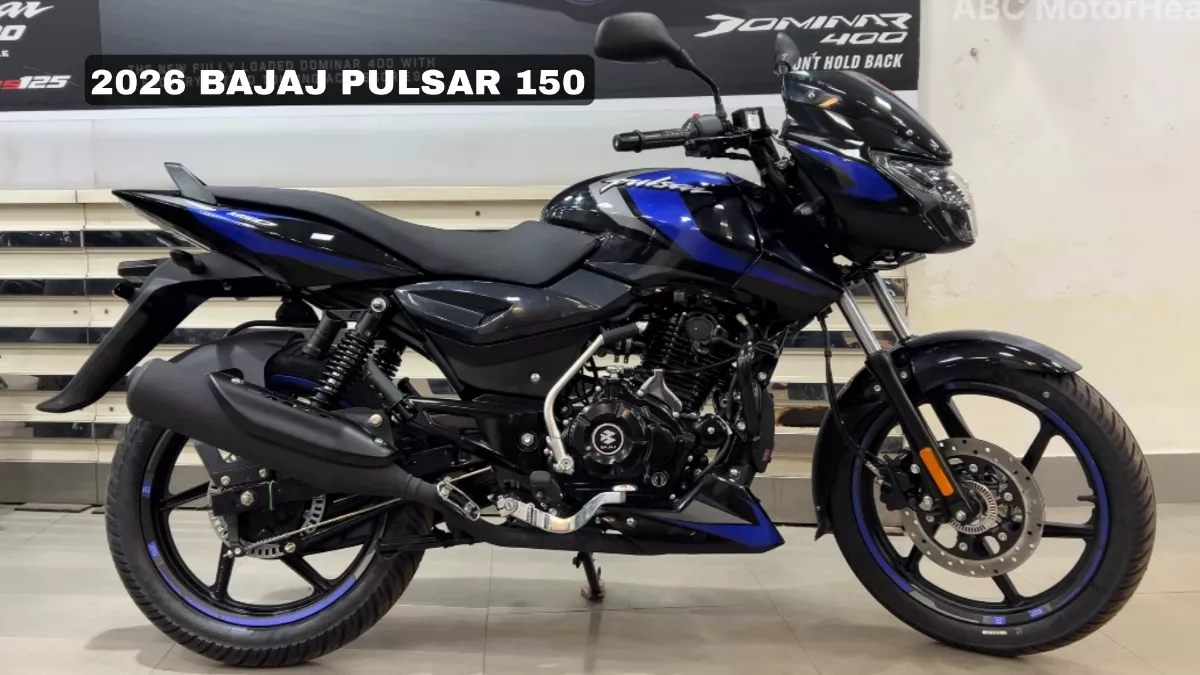
The 2026 Bajaj Pulsar 150 remains one of India’s most iconic and beloved commuter motorcycles in 2026, blending sporty styling, reliable performance, and everyday practicality.
Launched decades ago, the Pulsar series revolutionized the Indian biking scene with its aggressive looks and punchy ride. As of March 2026, the latest iteration of the Bajaj Pulsar 150 continues to dominate the 150cc segment, recent updates that enhance its appeal without altering its core character.
In late 2025, Bajaj introduced significant refreshes to the Pulsar 150, including full LED lighting and modern graphics, keeping it competitive amid evolving rider preferences.
These changes make the 2026 model feel fresh while preserving the legendary Definitely Male DNA that has made it a household name. Whether you’re a daily commuter navigating city traffic or a weekend enthusiast hitting the highways, the Pulsar 150 delivers a balanced package that justifies its enduring popularity.
Latest Pricing in 2026
The Bajaj Pulsar 150’s ex-showroom pricing in India (Delhi) for March 2026 starts affordably, making it accessible for first-time buyers and upgraders alike. The entry-level Single Disc (SD) variant begins around ₹1,08,772 to ₹1,10,120 ex-showroom, depending on the specific sub-variant and dealership offers.
Mid-range options like the Single Disc UG hover near ₹1,11,669 to ₹1,13,143, while the top-spec Twin Disc variant reaches up to ₹1,15,481 to ₹1,16,916 ex-showroom.
On-road prices vary by city due to RTO charges, insurance, and local taxes, often pushing the effective cost to ₹1.20 lakh to ₹1.31 lakh in major metros like Delhi or Mumbai. Bajaj frequently offers promotional deals, EMI options starting as low as ₹3,200–₹3,800 per month, and exchange bonuses, which can make ownership even more attractive.
Engine and Performance
At the heart of the 2026 Bajaj Pulsar 150 lies the proven 149.5cc, single-cylinder, air-cooled, 4-stroke engine with Twin Spark DTS-i FI technology. This BSVI-compliant fuel-injected unit produces 14 PS (approximately 13.8 bhp) of power at 8,500 rpm and 13.4 Nm of torque at 6,500 rpm (figures consistent across sources like Bajaj’s official site and reviews). The engine’s twin-spark setup ensures efficient combustion, smoother power delivery, and reduced emissions.
Paired with a 5-speed gearbox, the motor provides responsive acceleration for quick overtakes in traffic and confident cruising on highways. Real-world performance feels lively, top speed hovers around 110–115 km/h, while low-end torque makes city riding effortless. Riders report minimal vibrations up to 80–90 km/h, with the engine remaining refined for long stints.
Mileage and Efficiency
Fuel efficiency is a key strength of the Bajaj Pulsar 150 in 2026. Claimed ARAI mileage stands at around 47.5 kmpl, but real-world figures often range from 45–50 kmpl in mixed conditions (city and highway). With a 15-litre fuel tank, this translates to a practical range exceeding 600–700 km on a full tank, ideal for cost-conscious riders. The fuel-injected system contributes to consistent economy, even under spirited riding.
Design and Styling Updates for 2026
The 2026 model shines with its refreshed aesthetics. Bajaj upgraded to all-LED lighting, including a bright LED headlamp, LED tail lamp, and LED turn indicators for superior nighttime visibility and a premium look. New graphics and colour schemes add modernity, popular options include Sparkle Black with accents in Red, Blue, or Silver, giving the bike a sharper, more aggressive stance.
Read Also: New 2026 Yamaha MT 15 V2 Features, Performance & Mileage
The muscular tank, wolf-eye-inspired headlight cowl, and clip-on handlebars maintain the classic Pulsar sporty silhouette. Alloy wheels, tubeless tyres, and a split-seat setup enhance practicality and style. At 148–150 kg kerb weight, it feels manageable, with a seat height of 785 mm suiting riders of average build.
Features and Comfort
Modern touches elevate the riding experience. The semi-digital instrument cluster (analogue speedometer with digital readout) displays essential info like speed, fuel level, odometer, trip meters, and gear position. Some variants include Bluetooth connectivity for call alerts, messages, and navigation prompts via a companion app.
Safety comes via a front disc brake (260 mm ventilated) with single-channel ABS in select models, paired with a rear drum (or disc in Twin Disc variants). Telescopic front forks and twin gas-charged rear shocks handle bumps well, while 17-inch wheels provide stability. Ground clearance of 165 mm tackles Indian roads effectively.
Comfort is commuter-friendly: upright ergonomics reduce fatigue on long rides, and the padded seat supports pillion comfort. The bike’s build quality feels solid, with good paint finish and durable components.
Bajaj Pulsar 150 6 New Changes
Full LED Lighting Setup
The most significant upgrade is the shift to a complete LED lighting system. The bike now features a bright LED headlamp housed in a refreshed headlight cowl, along with LED tail lamp and LED turn indicators (blinkers).
This replaces the older halogen headlight and bulb indicators, offering better illumination, lower power consumption, longer lifespan, and a sharper, more premium nighttime presence. Riders note improved visibility during low-light conditions and city rides, making it safer and more modern compared to pre-2026 models.
Redesigned Headlight Cowl and Front Fascia
To accommodate the new LED headlamp, Bajaj updated the front end with a subtly revised headlight housing. While it preserves the classic “wolf-eye” aggressive look that Pulsar fans love, the cowl appears sleeker and more integrated. This change gives the bike a fresher face without a drastic departure from tradition, blending nostalgia with contemporary appeal.
Refreshed Graphics and New Colour Schemes
The 2026 model introduces updated sporty graphics on the fuel tank, side panels, and bodywork, drawing inspiration from higher-end Pulsars like the 220F. New colour options include vibrant shades like Sparkle Black with Red accents, Ebony Black, Racing Red, and fresh additions such as Pewter Grey, Passion Red, or Green variants in select trims. These graphics and colours add a bolder, more dynamic visual identity, making the bike look premium and eye-catching on the road.
New Mid-Spec Variant Introduction
Bajaj added a new intermediate variant (often labeled as SD UG or similar) that slots between the base Single Disc (SD) and top Twin Disc (TD) models. This provides more choice for buyers seeking a balance of features and price. The lineup now includes better differentiation, with the mid-variant offering enhanced value through additional styling elements or minor inclusions without jumping straight to the premium twin-disc setup.
Enhanced Overall Modern Appeal with Retained Core
While not a mechanical overhaul, these cosmetic and lighting updates collectively modernize the bike’s presence. The full-LED treatment and graphics refresh make it feel like a step forward from the previous iteration, especially for night riders and those prioritizing style. The changes align with Bajaj’s strategy to keep the classic Pulsar range relevant amid competition, while a bigger generational update (rumored for later in 2026) is expected for the entire lineup.
Minor Practical and Perceived Quality Tweaks
Sources indicate subtle refinements in build finish, such as improved paint quality and integration of the new components, contributing to a more premium feel. The bike’s ergonomics, instrument cluster (semi-digital with essentials like gear position indicator), and features like nitrox rear suspension remain carried over but benefit indirectly from the fresher aesthetics.
No changes to the engine, suspension, or braking were made, preserving the trusted 149.5cc DTS-i FI unit (14 PS power, 13.4 Nm torque), 5-speed gearbox, and real-world mileage of 45-50 kmpl.
These six updates were rolled out in December 2025, with the bike reaching dealerships nationwide by early 2026. The ex-showroom price starts around ₹1.08-1.09 lakh (Delhi) for the base variant, rising to ₹1.15-1.16 lakh for the top twin-disc model offering strong value in the segment. The changes enhance appeal for new buyers and upgraders without inflating costs significantly.
The 2026 Bajaj Pulsar 150 remains a go-to choice for its blend of sporty character, everyday usability, low maintenance, and vast service network. If you’re in the market for a reliable 150cc performer with a modern edge, this updated model delivers exactly that. Visit a Bajaj showroom for a test ride and see these changes in person the Pulsar legacy evolves, but its thrill stays timeless.